
what is a care assistant?
A care assistant supports and helps people with physical, emotional or mental difficulties so they can live as independently as possible. In practice, this means helping clients with daily activities. Thanks to your work, their lives become more comfortable, easier or more manageable.
A job as a care assistant is very varied, as every client has different needs. For example, someone with a physical disability requires different support from someone with mental health issues.
As a care assistant, you can work in a variety of settings. You may support someone at home as a personal carer, or work in a hospital or residential care home. Specialised centres for people who require more intensive care and attention also rely on care assistants.
Do you think a job as a care assistant suits you? Are you a real person with a strong sense of empathy? Read on to discover which training, skills and qualifications you need to work as a care assistant.
care assistant jobshow much does a care assistant earn?
As a care assistant, you usually work in shifts and may also work on public holidays and at weekends. It’s important to know that you are paid more for working at these times.
-
care assistant salary
On average, a care assistant earns around €17 net per hour, while night shifts can increase this to around €21 per hour. These wages are set according to pay scales, with minimum rates based on years of service.
Would you like more information about the salary of a care assistant? Then you’ll certainly find the details below useful:
- Starting care assistants earn an average of around €2,200 per month.
- After 20 years of experience as a care assistant, you can expect a salary between €3,500 (non-managerial role) and €4,900 (managerial role).
-
compensation for night and weekend work
Do you work in home care, a hospital or elderly care? Then you will regularly work weekends, night shifts or even public holidays. In return, you receive additional financial compensation for these hours.
-
additional benefits for care assistants
On top of these shift allowances, care assistants are also entitled to several extra benefits, including an end-of-year bonus and a 13th-month payment. In the healthcare sector, you are also eligible for an attractiveness premium, which is paid out in November. This bonus is calculated based on the number of months worked between January and September of that year.
different types of care assistants.
People who need care have a wide range of needs. As a result, there are many different types of care assistants. What the job looks like largely depends on the setting in which you work:
- Home care assistant: as a home care assistant, you support and guide patients in their own homes. This may include young people, older adults, as well as adults or children with physical or mental disabilities. Your responsibilities include personal care, logistical support and helping clients adopt a healthier lifestyle.
- Hospital care assistant: if you work as a care assistant in a hospital, your main responsibility is to support patients with their daily personal care routine. This includes helping them get dressed and undressed, washing, taking medication and using the toilet.
Please note that there is a clear distinction between care assistants and carers. A certified care assistant has more responsibilities than a general carer. As a care assistant, you are also trained to carry out 23 specific supportive nursing tasks, including administering medication.

working as a care assistant.
Do you enjoy helping people and working in a flexible environment? Then a job as a care assistant could be an interesting option for you. Below, we take a closer look at the tasks of a care assistant, the working environment, colleagues and career progression opportunities.
-
what does a care assistant do?
Some of the main tasks and responsibilities of a care assistant include:
- Assessing your patients’ needs: as a care assistant, you identify the needs of the vulnerable people you support. You offer a listening ear for both practical and emotional concerns. When a patient requires 24/7 support, you help create schedules and care plans to meet those needs as effectively as possible.
- Providing support: care assistants help people in need with personal care. This is especially important when someone is unable to wash themselves or use the toilet independently. You also work together with family members, for example by offering emotional support.
- Supporting a healthy lifestyle: as a care assistant, you also contribute to your patient’s overall health. You help them eat healthily and are responsible for administering medication when required. In addition, you make sure medical appointments are properly scheduled.
- Social interaction: long-term relationships are important for everyone, especially for people who need extra care and support. As a care assistant, you help your patient build and maintain social connections. You encourage participation in recreational and community activities so they remain active and engaged.
- Writing reports: finally, as a care assistant, you are responsible for drawing up reports on the patient’s health progress. You write a short daily report on how your patient is doing, what care was provided, which activities took place and what their needs were. This is done to keep doctors and other specialists informed about the impact of the treatments they prescribe.
-
working environment
Care assistants work in different environments, depending on their specialisation and the patients they support.
If you work in a hospital or residential care home, you will usually work as part of a team and are often required to wear a specific uniform.
You can also work as a care assistant in home care. In that case, you travel to patients’ homes to provide care. This type of role is usually more independent, and you often work alone rather than in a team.
-
who are your colleagues?
As a care assistant, you often work closely with other specialists and care professionals, especially in hospitals or residential care settings. These include doctors as well as other specialists such as childcare workers, personal assistants and (assistant) psychologists.
If you work in a hospital, you collaborate closely with nurses and other care assistants as part of a team. In a hospital setting, care assistants always work under the supervision of a nurse.
Care assistants may also work together with specialists such as dietitians or speech and language therapists.
-
working hours of a care assistant
It goes without saying that vulnerable people who are unable or struggle to live independently often need support 24/7. For care assistants, this means working at less conventional hours. You will therefore regularly work nights and weekends, and you must always be ready to respond to emergencies.
As a care assistant, you can also work part-time, for example to support people who only require help for part of the day. In addition, it is possible to work as a care assistant as a second job alongside other employment.
-
career progression opportunities as a care assistant
As a care assistant, there are certainly opportunities to progress if you wish. You can specialise in supporting people with mental health conditions, physical disabilities or substance misuse issues. Many care assistants also move into roles such as social care worker or positions within home care services. Would you like to use your experience as a care assistant to work for a charity or non-profit organisation? That is definitely an option, especially if you have experience supporting vulnerable adults and children.
benefits of working via randstad as a care assistant.
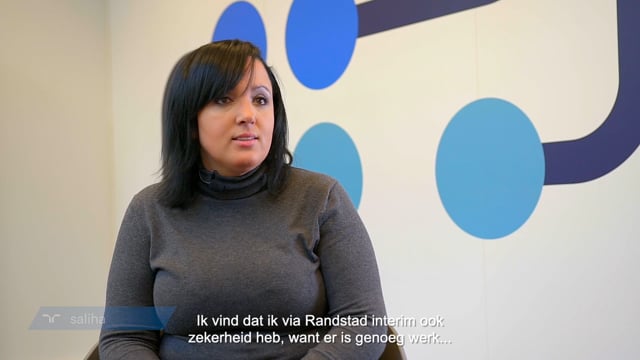
Working through Randstad offers a wide range of benefits:
- weekly pay
- the freedom to choose your own working hours
- a dedicated contact person you can always rely on
- access to many training and development opportunities
- care assistant jobs close to home
care assistant training and skills.
You cannot start working as a care assistant without the appropriate qualification or certificate. You will need one of the following:
- A seventh year of vocational secondary education BSO in personal care (the second year of the third stage of secondary education in the Personal Care track), combined with a care assistant certificate from a training programme of at least one year.
- A seventh year of vocational secondary education BSO in home and elderly care, or care assistance.
- A professional care assistant training programme of at least 1,400 hours, equivalent to a one-year course, completed through VDAB or an adult education centre.
- A certificate as a polyvalent care worker, combined with additional care assistant training of at least 120 hours.
further training and work experience.
For any specialisation in healthcare, experience counts. Care assistants can improve their practical skills by gaining extra experience, for example through volunteering. Interested? Go for it! This can be a valuable way to boost your career as a care assistant.
skills and qualities of care assistants.
Here are some of the key skills and qualities a care assistant should have:
- Empathy: Can you easily put yourself in someone else’s shoes? Do you quickly understand what they need? If so, you already have an important quality. By sensing your patients’ needs quickly, you can respond in ways that build trust.
- Ability to motivate people: Care assistants help patients gain confidence by supporting them to push their physical and emotional boundaries.
- Flexibility and problem-solving skills: Every day brings new challenges in healthcare. As a care assistant, you must be able to adapt quickly and work flexibly.
FAQs.
Here are answers to some of the most frequently asked questions about care assistants:
-
do I need a visa to work as a care assistant?
In Belgium, a visa is the permit allowing you to work as a care assistant. You receive this automatically from the Federal Public Service (FPS) once you are registered with the Agency for Care and Health. You can apply for and track your visa through the FPS Health download portal.
-
what is the difference between a care assistant and a nurse?
A care worker is a polyvalent worker who assists people needing temporary or permanent help, mainly supporting daily activities.
A care assistant is a care worker but is also trained to perform certain nursing tasks defined by the federal government under the Healthcare Professions Act. -
how much does a care assistant earn per hour?
On average, a care assistant in Belgium earns €17.04 per hour, which amounts to approximately €33,223 per year.
-
when can I start a care assistant training programme?
Training as a care assistant is possible from secondary education onwards, for example with a TSO or BSO diploma. You can also start in higher professional education, ultimately earning an HBO5 diploma.
-
can a care assistant perform nursing tasks?
A care assistant is authorised to perform 23 specific nursing tasks. These include measuring pulse and body temperature, taking measures to prevent injuries according to the care plan, and administering non-anaesthetic medication.
-
how do I find a job as a care assistant?
Finding a job as a care assistant is easy. Create a Randstad profile and browse our care assistant job listings. Found what you’re looking for? Send us your CV. No suitable jobs available right now? Set up a job alert and receive care assistant vacancies as soon as they’re published.